Hook, Frame, Repeat: Building Visual Effects for the Vertical Feed
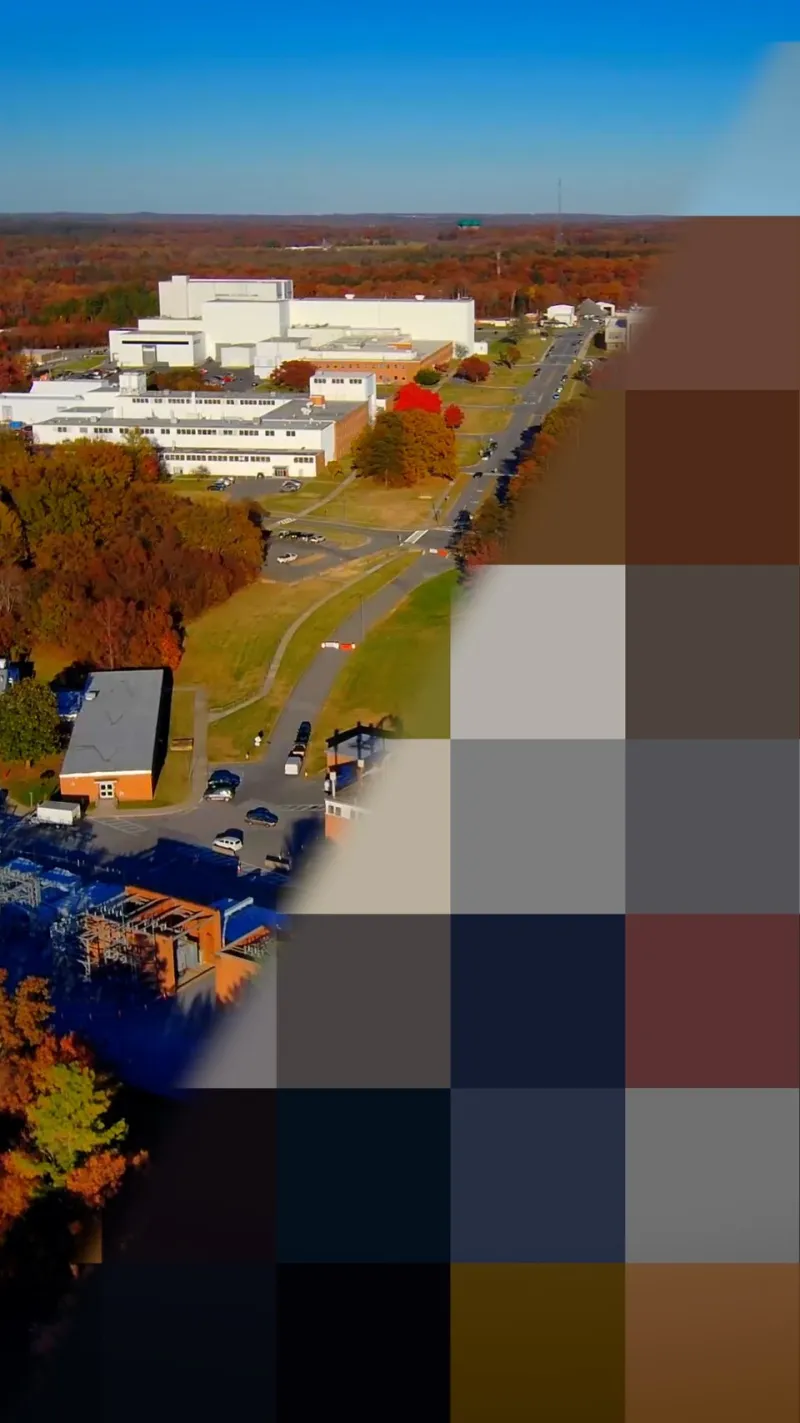
Photo: NASA's Scientific Visualization Studio - University of Maryland College Park/Sara Mitchell, Business Integra/Kelly Ramos, University of Maryland College Park/Barb Mattson, eMITS/Scott Wiessinger, eMITS/Sophia Roberts, University of Maryland College
A thirty-second television spot used to build toward a hero shot. In the vertical feed, the hero shot has moved to the front. The first three seconds must stop the thumb, establish the product, and promise a world — often with the sound off and the viewer's attention already halfway gone. For US agencies and VFX shops, that shift is not a crop. It is a pipeline redesign. The best vertical spots are built backward from the hook.
The First Three Seconds Are the Brief
On TikTok, Reels, and Shorts, the opening frame is the creative brief. A vertical ad may begin with a product transformation, an impossible camera dive, a liquid simulation that defies gravity, or a face that changes mid-expression. If that hook requires a 3D build, the build starts first — even if it appears for eight frames. VFX supervisors are being brought into concept meetings earlier, not to decorate a finished idea but to determine whether the hook can be made legible at phone scale.
The old hierarchy of hero shot first, supporting effects second, no longer holds. The hook is the hero. Everything after it is retention.
A Pipeline Built for Variants
Vertical delivery means 9:16 first, with 4:5 and 1:1 versions close behind. That changes how assets are built. Environments need overscan. Product renders need extra margin. Type and graphics must survive safe zones and platform overlays. A simulation that looks luxurious in a landscape frame can become a muddy smear when cropped to a phone.
The bigger change is iteration. A traditional commercial may move through weeks of review. A vertical campaign may require fifteen, ten, and six-second cuts, each with a different hook, in a matter of days. The same asset kit is re-framed, re-timed, and re-lit. Versioning becomes the deliverable. Shops that treat every cut as a bespoke build lose money. Shops that design modular systems — product, environment, particles, type — can move at the speed the feed demands.
Where Polish Still Matters
The small screen hides macro flaws. It magnifies faces, hands, and text. A compositor who can make a clean landscape plate may still struggle with a vertical close-up, where every edge and every skin tone is examined at arm's length. Sound-off viewing puts extra pressure on visual storytelling: the product benefit must read without a voiceover, and the brand must land without a logo card doing all the work.
Speed does not excuse bad craft. It relocates craft. The best vertical work is not lower-grade VFX. It is VFX designed for a different attention economy, where clarity beats spectacle and the first frame carries the weight of the entire spot.
The New Craft Hierarchy
The vertical pipeline rewards generalists. Editors who understand VFX timing, motion designers who can animate type in 3D space, compositors who can work fast without breaking a product — these roles are converging. Some US shops now staff dedicated social units in Los Angeles, New York, Austin, and Atlanta, with review cycles measured in hours rather than weeks.
Budgets are often smaller. Volume is higher. But the premium vertical spot still exists, and it is judged by a different standard: not how expensive the frame looks, but how quickly it makes the viewer stay. The hook is the first effect. The rest is follow-through.